
What is ISO 14001? It’s one of the world’s most recognized environmental management standards, designed to help businesses reduce their ecological footprint while improving operational efficiency. In today’s eco-conscious world, organizations that understand and implement ISO 14001 are better positioned to comply with regulations, attract customers, and gain competitive advantage.
If you’re looking to understand what is ISO 14001, its purpose, ISO 14001 meaning, or how it can benefit your company, you’re in the right place. This guide will explain what ISO 14001 stands for, the benefits of ISO 14001, and how to achieve certification, along with the typical ISO 14001 certification cost. We’ll also show how companies across industries use this standard to meet their sustainability goals.
Let’s dive into everything you need to know about what is ISO 14001 and how it can make your organization more resilient and environmentally responsible.
What Is ISO 14001?
The question what is ISO 14001 is more relevant now than ever. ISO 14001 is an international standard developed by the International Organization for Standardization (ISO), aimed at helping organizations manage and reduce their environmental impact. It sets out the criteria for an Environmental Management System (EMS) — a structured approach to managing the environment.
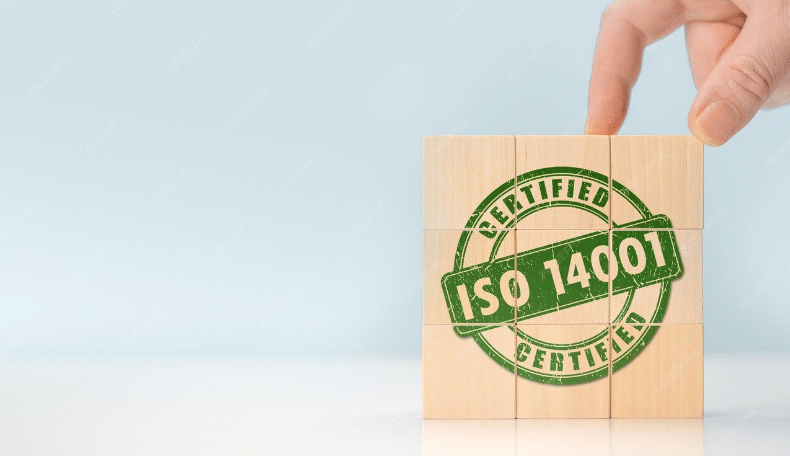
If you’re wondering what is ISO 14001 certification, it’s a formal recognition that your business meets the ISO 14001 standard requirements. It proves that your company is systematically controlling its environmental impact and striving for continual improvement.
ISO 14001 Meaning, Stands For, and Full Form
- ISO 14001 meaning: It refers to the specific ISO standard that provides a framework for organizations to follow in managing their environmental responsibilities.
- ISO 14001 stands for: “International Organization for Standardization – Environmental Management Standard 14001.”
- ISO 14001 full form: While not an acronym, it signifies the environmental management guidelines within the ISO 14000 family of standards.
Whether you’re a small enterprise or a large multinational, understanding what is ISO 14001 is the first step toward building a responsible and compliant business.
The Purpose and Benefits of ISO 14001
Understanding what is ISO 14001 is incomplete without knowing why it exists and how it benefits organizations.
Environmental Purpose
ISO 14001 provides a structured system for organizations to:
- Reduce waste, carbon emissions, and energy consumption
- Improve resource efficiency and conservation
- Prevent environmental damage through risk-based controls
Business and Compliance Benefits
One of the key benefits of ISO 14001 is that it ensures regulatory compliance and helps avoid costly penalties. It also:
- Builds stakeholder and investor trust
- Increases access to new markets and government contracts
- Enhances reputation as a sustainable business
Operational and Financial Benefits
Apart from its environmental focus, what is ISO 14001 also translates into strong business value. ISO 14001 helps companies:
- Lower operational costs through reduced waste
- Optimize supply chains and logistics
- Implement a culture of continuous improvement
The benefits of ISO 14001 extend far beyond compliance — they influence long-term business success.
Key Elements of an ISO 14001 Environmental Management System
To fully understand what is ISO 14001, it’s essential to look at the components that make up a compliant Environmental Management System (EMS). These are:
- Environmental Policy: A formal statement of the organization’s commitment to the environment
- Planning: Identifying environmental risks, legal requirements, and setting goals
- Support and Operation: Allocating resources, defining responsibilities, and establishing procedures
- Performance Evaluation: Monitoring, measurement, analysis, and internal audits
- Improvement: Ongoing actions to enhance the system (based on the PDCA cycle – Plan, Do, Check, Act)
These pillars create a sustainable management approach aligned with the ISO 14001 meaning and purpose.
ISO 14001:2015 vs ISO 14001:2004
When exploring what is ISO 14001, it’s helpful to understand the evolution of the standard.
Key Differences:
- Context of Organization: ISO 14001:2015 requires companies to consider internal and external factors influencing their EMS.
- Leadership Role: Stronger involvement from top management is mandated in the 2015 version.
- Risk-Based Thinking: A proactive approach to identifying and managing environmental risks.
- Life Cycle Perspective: Encourages environmental considerations throughout a product’s life span.
- Documentation Flexibility: Less focus on rigid procedures, more on outcomes and performance.
- Compliance Expectations: Stronger integration of legal and regulatory responsibilities.
The newer version provides a more robust, flexible, and future-ready framework for organizations wanting to understand what is ISO 14001 in today’s context.
How to Get ISO 14001 Certified
If you’ve decided to pursue certification, here’s how to do it. The process of getting certified involves several steps, all designed to align your company with what is ISO 14001 certification.
Step-by-Step Guide:
- Conduct a Gap Analysis: Assess where you stand compared to the ISO 14001 requirements.
- Develop EMS Documentation: Create policies, procedures, and control mechanisms.
- Train Employees: Ensure everyone understands their environmental responsibilities.
- Implement the EMS: Put your system into action and start collecting data.
- Perform Internal Audits: Verify compliance and identify areas for improvement.
- Management Review: Leadership must evaluate EMS effectiveness.
- External Audit: A certification body audits your system and issues the certification.
ISO 14001 Certification Cost
- The cost of ISO 14001 certification varies depending on your company’s size, industry risk level, and readiness, typically ranging from ₹3,500 to ₹75,000 or more.
- Typically includes consulting fees, training costs, audit fees, and documentation preparation. To ensure a smooth certification process and accurate cost planning, you can consult SR3 for expert guidance.
- It’s a long-term investment that leads to savings in waste management, energy use, and compliance penalties.
Understanding the ISO 14001 certification cost and timeline will help you plan effectively and avoid surprises.
Real-World Examples of ISO 14001 Implementation
To understand what is ISO 14001 in action, let’s look at how major companies have benefited:
- Toyota: Improved emissions control and energy use through EMS-driven innovations.
- Coca-Cola: Enhanced water efficiency and recycling systems across global operations.
- Canon: Reduced carbon footprint and enhanced supply chain sustainability through lifecycle planning.
These cases show how the benefits of ISO 14001 can help global brands drive impact while maintaining profitability.
Common Challenges and How to Overcome Them
Knowing what is ISO 14001 also means being prepared for common roadblocks. Here are the most common implementation challenges and how to deal with them:
- Lack of Awareness: Provide clear training to all employees about EMS principles and objectives.
- High Documentation Load: Use standardized templates and expert support to streamline your documentation.
- Cultural Resistance: Get leadership buy-in and communicate the long-term value of sustainability.
- Concerns About Cost: Understand that the ISO 14001 certification cost pays off in operational savings and risk reduction.
Partnering with experienced consultants can make implementing ISO 14001 smoother and more effective.
Who Should Use ISO 14001?
One of the most common questions after what is ISO 14001 is — “Is this relevant to my business?”
The answer: Yes. ISO 14001 applies to:
- Manufacturing companies with large-scale operations and waste
- Service providers like IT, finance, and logistics aiming for ESG goals
- Governmental bodies and municipalities focused on legal compliance
- Startups and SMEs looking to build eco-friendly brands and attract investors
Whether you’re managing environmental risk or expanding into global markets, knowing what is ISO 14001 gives you an edge.
Why Choose SR3 for ISO 14001 Certification and Consulting?
Understanding what is ISO 14001 is the first step. Implementing it with confidence is where SR3 comes in.
SR3 offers:
- Full-cycle ISO 14001 services: From gap analysis to certification audit support
- Specialized consultants: Experienced across industries and regions
- Integrated training: Tailored workshops and awareness programs
- ISO expertise: Proven success with ISO 9001, ISO 14001, ISO 27001, and more
- Strategic value: A framework grounded in Resilience, Sustainability, and Availability (RSA)
If you’re serious about reducing your environmental impact, meeting global compliance, and building a future-ready brand, now is the time.
Partner with SR3, your trusted guide for ISO 14001 certification, training, and consulting services.
Book your free consultation and take the first step toward environmental excellence.
Frequently Asked Questions
What is ISO 14001?
ISO 14001 is an international standard that defines the requirements for an Environmental Management System (EMS) to help businesses reduce their environmental impact and meet compliance obligations.
What is ISO 14001 certification?
ISO 14001 certification is a formal recognition that an organization’s EMS complies with the ISO 14001 standard. It proves a commitment to sustainability and regulatory compliance.
What does ISO 14001 stand for?
ISO 14001 stands for the environmental management system specification in the ISO 14000 family, created by the International Organization for Standardization.
What is the ISO 14001 full form?
ISO 14001 does not have an acronym-based full form. It refers to a specific numbered standard under the ISO 14000 series for environmental management.
What is the ISO 14001 certification cost?
The ISO 14001 certification cost varies based on business size, complexity, and current readiness. It typically includes consulting, documentation, training, and audit fees.
What are the benefits of ISO 14001?
The benefits of ISO 14001 include improved compliance, reduced environmental impact, operational cost savings, and enhanced brand credibility.
Who can apply for ISO 14001 certification?
Any organization—regardless of size or sector—can apply for ISO 14001 certification if they are committed to improving their environmental management practices.
How long does it take to get ISO 14001 certified?
Certification can take between 3 to 12 months depending on your current practices, industry requirements, and preparation level.